





AI Computing
Purpose-Built Shelves for High-Performance Computing
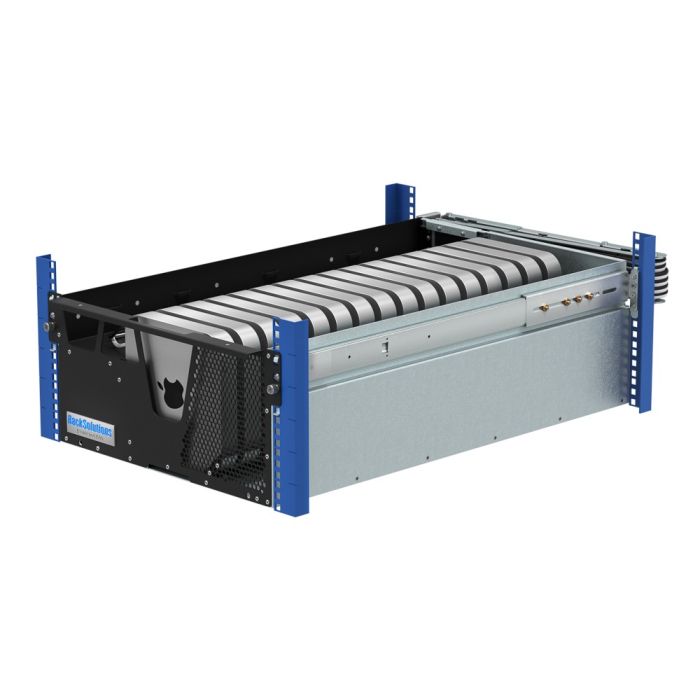
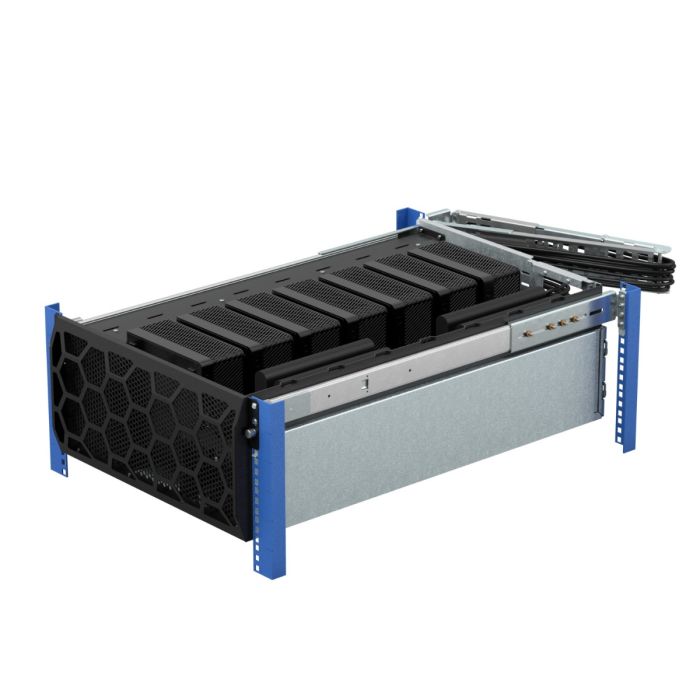
AI computing requires infrastructure that can support high-performance hardware, maximize rack density, and simplify deployment. Our HyperShelves and Rack Shelves provide scalable solutions that maximize rack space, improve airflow, and support high-density deployments for AI computing and other compute-intensive applications.

Common Hardware Questions
▼ What is AI Computing?
Artificial Intelligence (AI) Computing is the process of analyzing volumes of data for insights and new capabilities by using machine learning (ML) software and tools. This process relies on the development of AI models through the training of an algorithm on large data sets. It’s crucial for technologies such as generative AI, edge computing, Internet of Things (IoT), and more.
▼ What is the difference between AI workloads and traditional workloads?
AI workloads have specific tasks for developing and deploying AI models, requiring specialized hardware and software to support large-scale data processing and complex computations. In comparison, traditional workloads have straightforward computational tasks and do not require the same level of specialized infrastructure.
▼ What is Machine Learning (ML)?
Machine learning (ML) is the process of creating AI models by training algorithms to make predictions or decisions based on data. ML features a broad range of techniques that enable computers to learn from data without being explicitly programmed for specific tasks. With an AI model, it’s essentially a program trained on a set of data to identify certain patterns and make decisions about them without human assistance.
▼ How does AI Computing work?
There are three steps to AI computing: Extract/Load/Transform (ETL), AI model selection, and data analysis. First, data scientists prepare a dataset through ETL, a data integration procedure designed to combine, clear, and organize data from multiple sources. The data is then stored in a data warehouse, data lake, or other target system. The next step is selecting the AI model that best fits the intended business application. To select the right AI model, it's important to understand what data the model was trained on, who developed it, and the safety mechanisms it has in place. Lastly, data analysis is the most critical part of the AI computing process. Data scientists push data through the AI model selected to generate actionable insights and business intelligence.
▼ What are the benefits of AI Computing?
AI computing enables digital technologies to smoothly integrate into existing processes and operations. The 5 key benefits of AI Computing are: task automation, decision-making, 24/7 availability, error reduction, and resource optimization, and physical safety.